Rohingya Voices for Peace: Youth Leadership Amidst Displacement
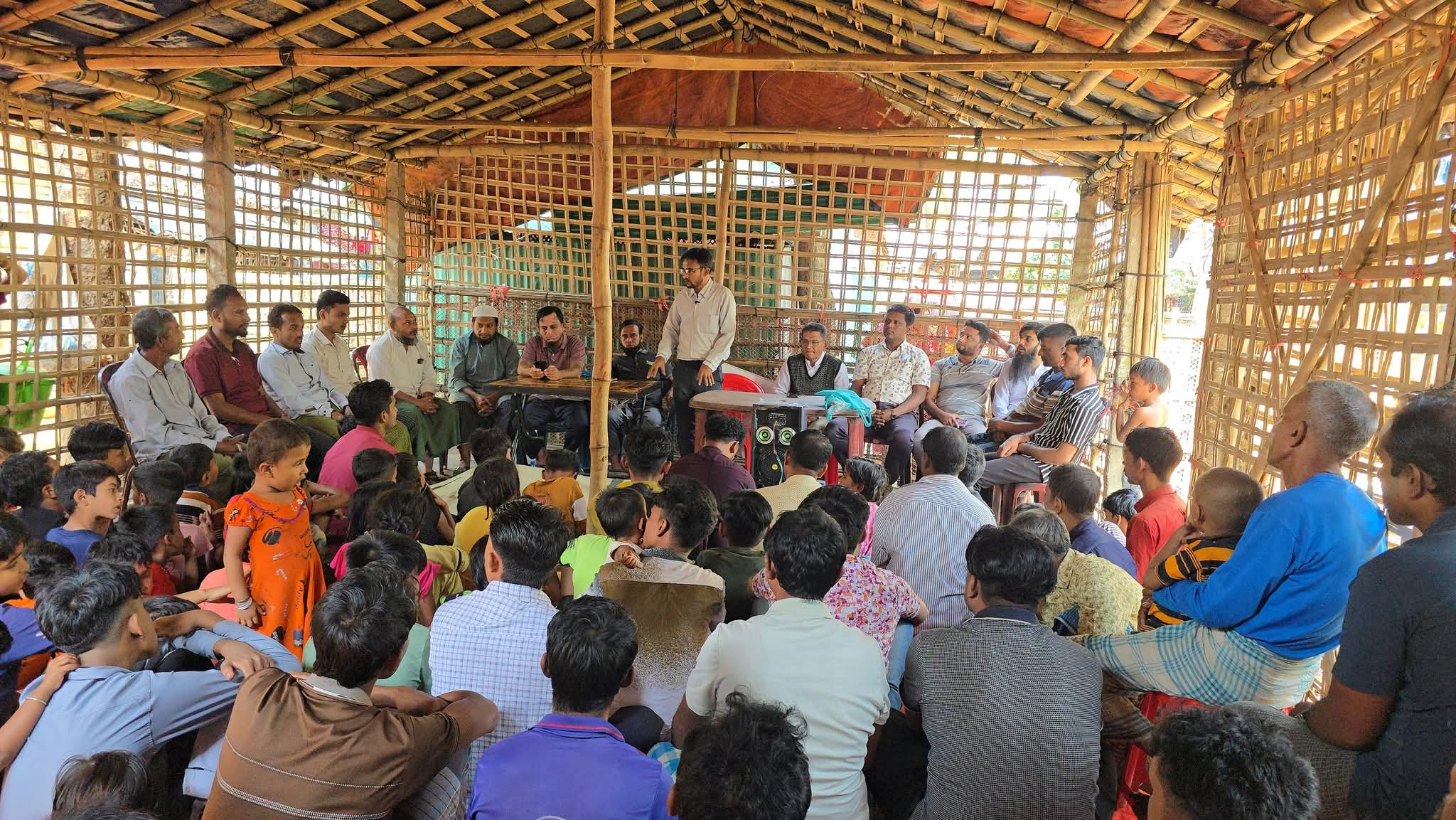
In communities affected by displacement, one of the most powerful acts of peace is simply being heard. Rohingya Voices for Peace, initiated by the Rohingya Youth Union PeaceJam Club, is a courageous example of how storytelling can become a bridge to healing.
Shared by youth leader Murshid Alam, this Act of Peace was created to amplify the voices of Rohingya youth and community members. Through creating safe spaces for dialogue, storytelling, and shared learning, participants are invited to express their experiences, challenges, and hopes.
By promoting nonviolence, empathy, and unity, Rohingya Voices for Peace seeks to heal divisions, strengthen community resilience, and inspire positive change. At its core, the initiative carries a simple but transformative message: every voice matters, and peace begins when voices are heard and respected.
Inspired by the Urgency to Be Heard
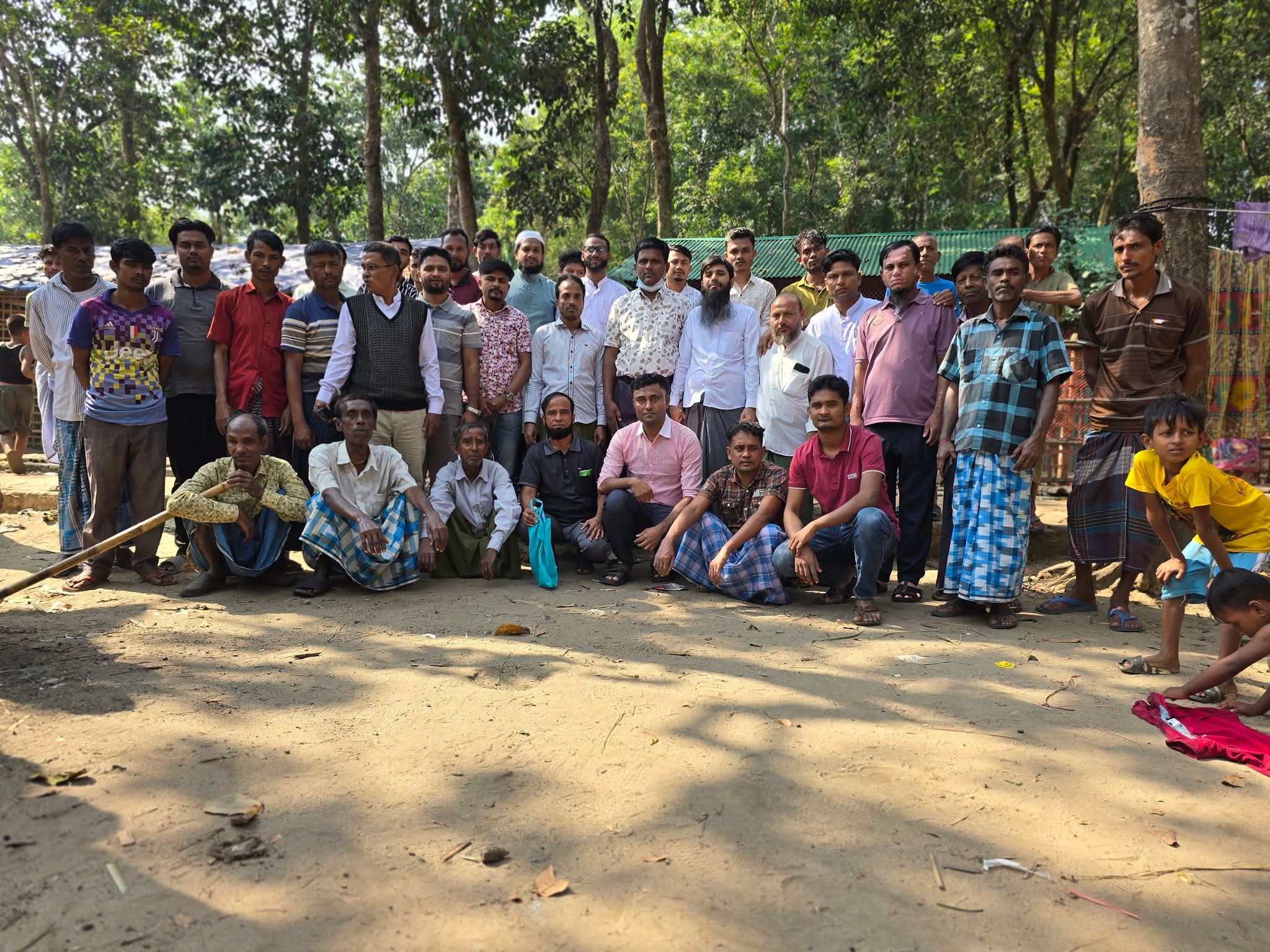
Murshid Alam shared that the campaign grew out of a deep need within the community:
“Our campaign was inspired by the urgent need to give Rohingya voices a platform to share their stories of resilience and hope. We saw a gap in understanding and empathy for the challenges faced by the Rohingya community, and we wanted to create a space for dialogue, healing, and empowerment through storytelling and community engagement.”
For many participants, this is far more than a simple conversation. Rather, it is an avenue to reclaim their own narrative, identity, and dignity.
Growing Awareness and Solidarity
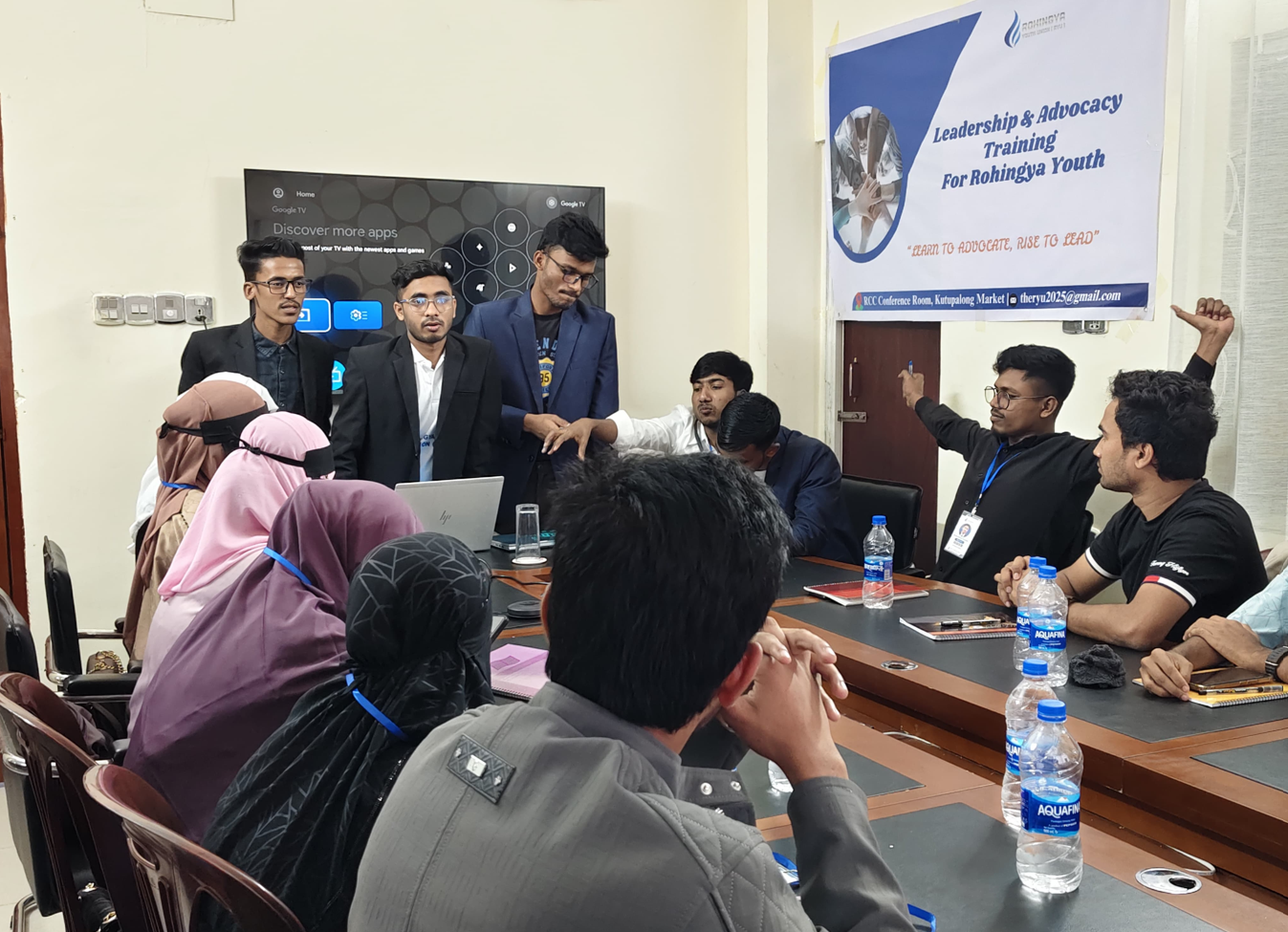
Since launching Rohingya Voices for Peace, the group has seen meaningful impact.
Within the community, there is increased awareness and solidarity among both Rohingya and non-Rohingya participants. More people are engaging in conversations about peace, human rights, and reconciliation. Dialogue is replacing silence.
For Murshid personally, the experience has deepened his commitment to advocacy.
“This work has strengthened my commitment to advocacy and taught me the power of listening and amplifying marginalized voices.”
Listening, they have learned, is not passive — it is transformative.
Facing Challenges with Trust and Consistency
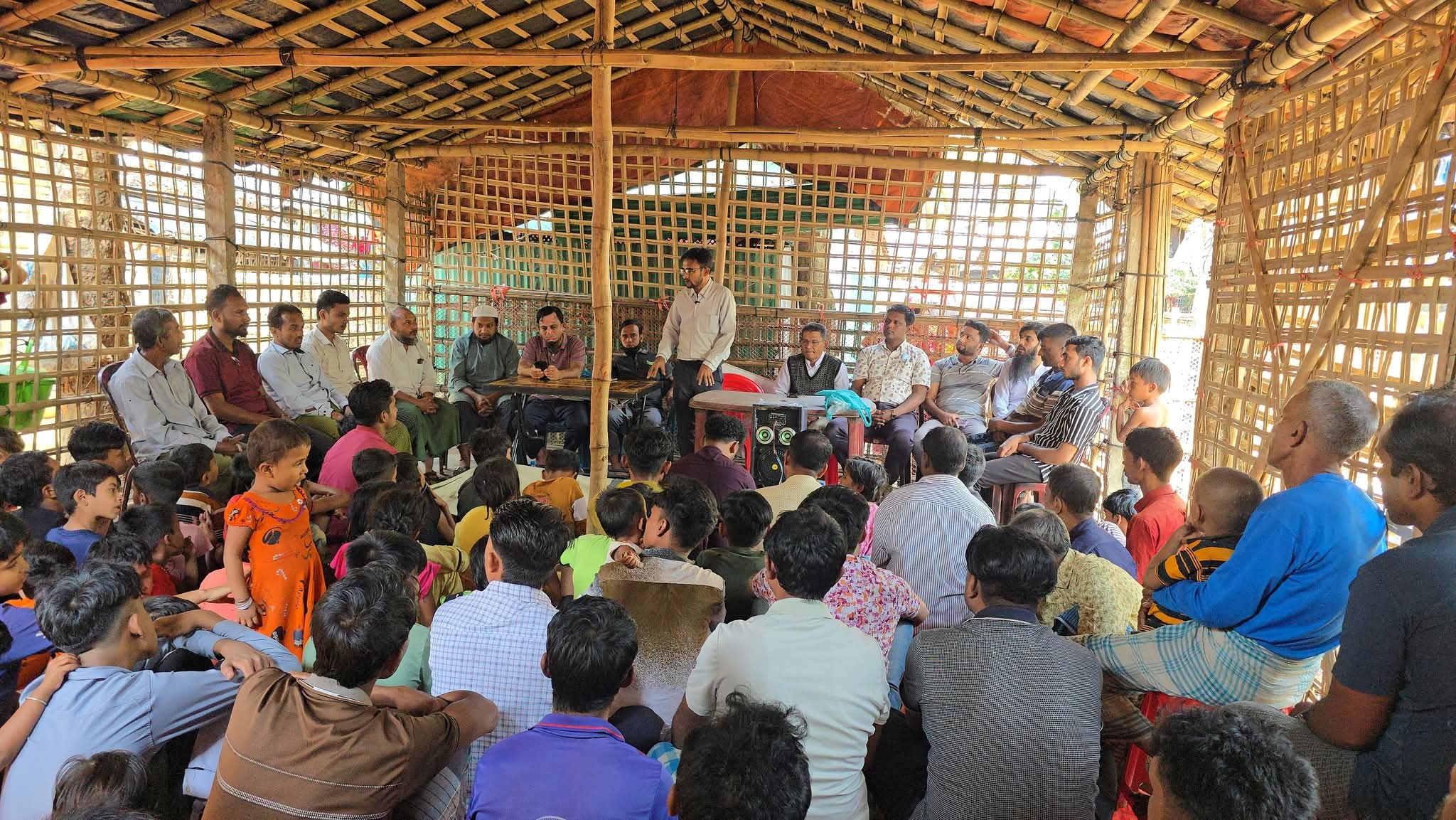
The journey has not been without obstacles.
“ One of our biggest challenges has been overcoming mistrust and fear within the community, stemming from years of displacement and trauma. We have addressed this by building consistent, respectful relationships, ensuring confidentiality, and involving community leaders in every step of our activities. Another challenge has been limited resources, which we have tackled through collaboration with local organizations and volunteers.”
Limited resources also posed a challenge, but collaboration with local organizations and volunteers helped sustain the effort.
Through persistence and partnership, trust began to grow.
Looking Towards the Next Five Years
“Our vision is a community where Rohingya voices are recognized and respected, where stories of struggle and triumph inspire positive change, and where dialogue and collaboration lead to sustainable peace initiatives. We hope to expand our outreach and create programs that foster youth leadership and cross-community understanding.”
How You Can Support Rohingya Voices for Peace
There are many ways to stand alongside this mission:
- Volunteer your time or skills
- Share their stories to raise awareness
- Contribute resources or expertise
- Advocate for policies that protect and uplift marginalized communities
- Simply listen, and amplify Rohingya voices in your own networks
Because peace is not only built through treaties or large-scale initiatives. Sometimes, it begins when someone speaks, someone listens, and dignity is restored.
Rohingya Voices for Peace reminds us that healing starts with recognition, resilience grows through unity, and lasting peace begins when every voice is valued.
Related Articles