The IZIRAGOBI Project: Building Hope, Healing, and Lasting Change in Eastern Uganda
Building Hope, Healing, and Lasting Change in Eastern Uganda
Real, lasting change begins at the community level when people come together to address everyday challenges and create opportunities for a better future. In Namutumba District, Eastern Uganda, the IZIRAGOBI Project is a powerful example of what community-driven transformation can look like: expanding access to education, improving health and wellbeing, and restoring dignity for children and families.
This week, Billion Acts of Peace is proud to feature this inspiring initiative as our Featured Act of Peace.
In this feature, we hear from project organizer Kirunda Sandra, whose vision is rooted in dignity, access, and empowerment.
A Vision Inspired by Urgent Need
Sandra shares the reality that sparked this initiative:
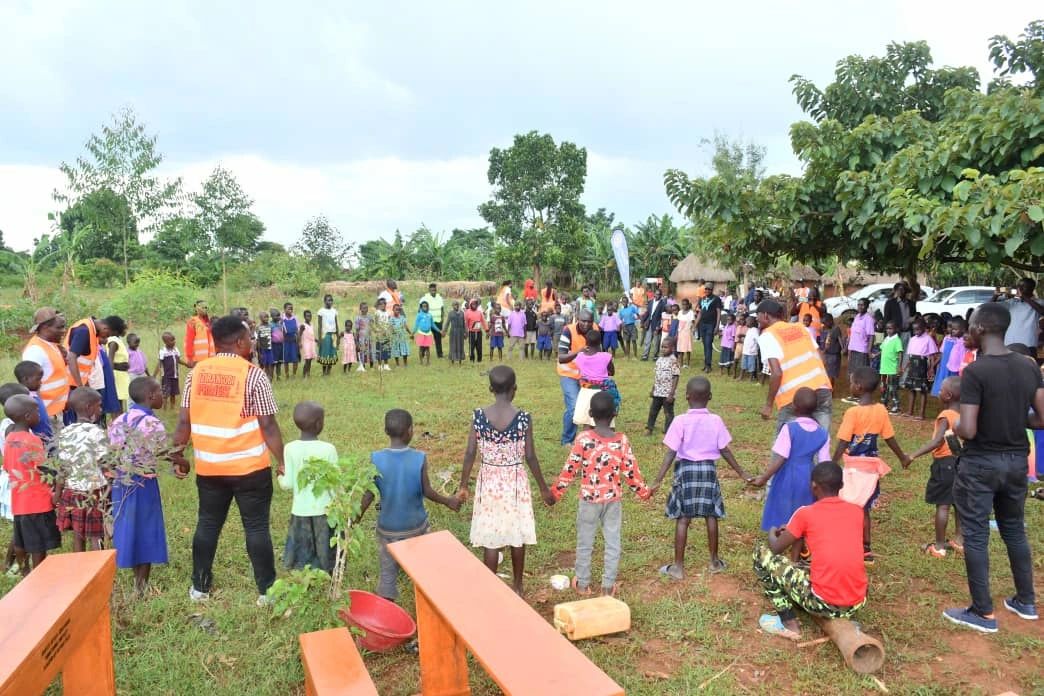
“Our Act of Peace was inspired by the harsh lived realities of children (169,669 children) in Namutumba District, Eastern Uganda, where many walk nearly two hours each way to access the nearest school. Suddenly, upon arrival, they studied under trees without classrooms, exposed to rain and extreme heat. These conditions justified urgent intervention because long walking distances, unsafe learning environments, and constant lesson disruptions significantly undermine concentration, retention, and long-term educational outcomes.”
She continues:
“The situation was compounded by deep financial hardship. Many parents cannot afford basic scholastic materials, leaving children without books or essential supplies, further widening inequality and discouragement. For girls, the crisis is even more severe, over 20% drop out of school due to lack of access to sanitary pads, directly linking period poverty to lost education and diminished future opportunities. This reality justified integrating menstrual health support as a peace and dignity intervention.”
Recognizing that these challenges are deeply interconnected, the project took a comprehensive approach:
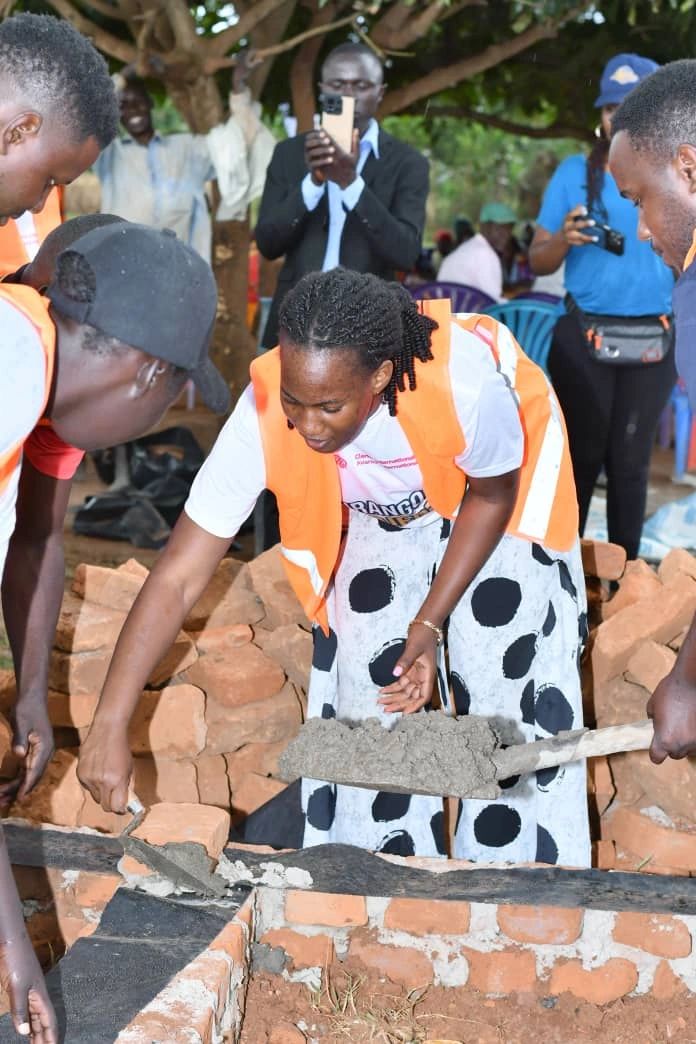
“Community consultations confirmed that education challenges were interconnected with poverty, health gaps, psychosocial stress, and environmental degradation. These findings justified a holistic approach. Building safe classrooms, providing scholastic materials, planting fruit trees for nutrition and climate action, organizing free medical camps, and conducting peace and mental health sessions were deliberate acts of peace…”
“In our context, peace means ensuring children can learn safely, girls can stay in school with dignity, families can access basic services, and communities can move from survival to self-sustainability.”
Impact That Reflects Hope in Action
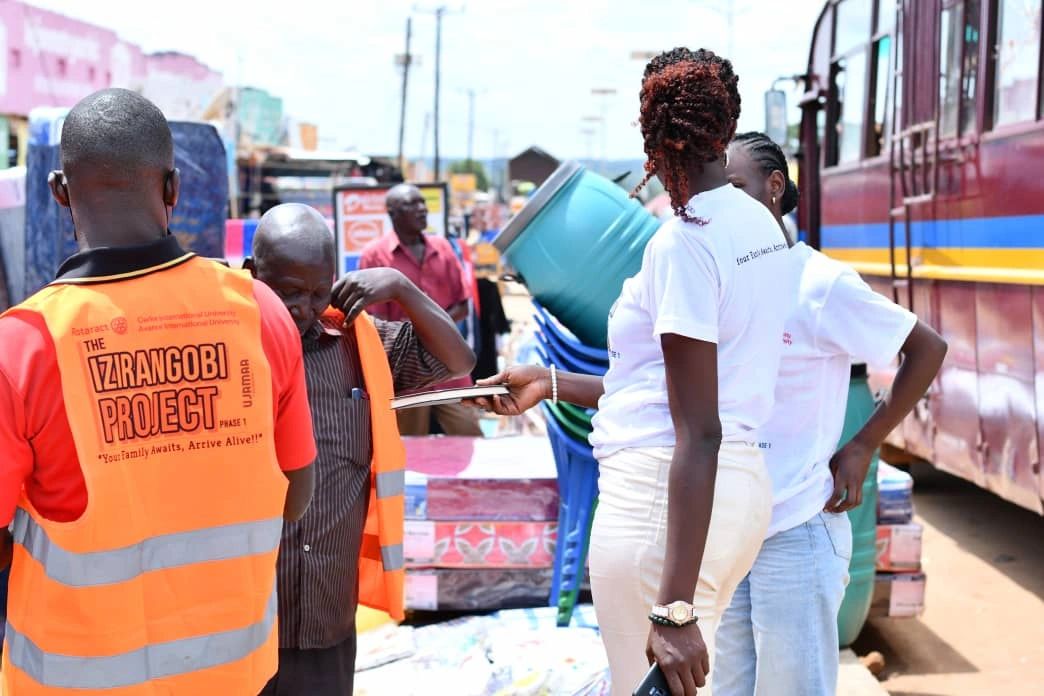
The results of this work are already visible and deeply meaningful:
“The constructed class block provides a safe and pupil-friendly learning environment to 100 kids. 100 kids attend school daily, enabling them to access formal and national education. 65% reported increase in pupil attendance at school.
Reported reduced kid-kid fights and bullying at school. 60% of kids receive scholastic materials per quarter (3 quarters a year), enabling them to attend school daily. 85% of the 1200 planted fruit trees at school are growing.”
These outcomes reflect more than progress, they represent restored dignity, renewed motivation, and stronger community cohesion.
Challenges and Community-Driven Solutions
Like many grassroots initiatives, the IZIRAGOBI Project has faced real challenges. Sandra explains:
“Parents were so relaxed on supporting their children’s school needs. We organized parents’ meetings and dialogue where we listened to parents’ views and challenges.”
Re-engaging pupils also required persistence:
“Pupils had lost interest in going to school. We had to visit others at their parents’ homes, others at community playgrounds.”
Despite ongoing financial constraints:
“We continue to face financial and resource support challenges, but we manage to continue supporting these kids through partnerships with local youth and volunteering groups, and fundraising.”
Sustainability has been strengthened through local ownership:
“The project is located a bit far from our offices… but through community leaders and the church in the community, they run the project at the school as their own.”
A Vision for the Future
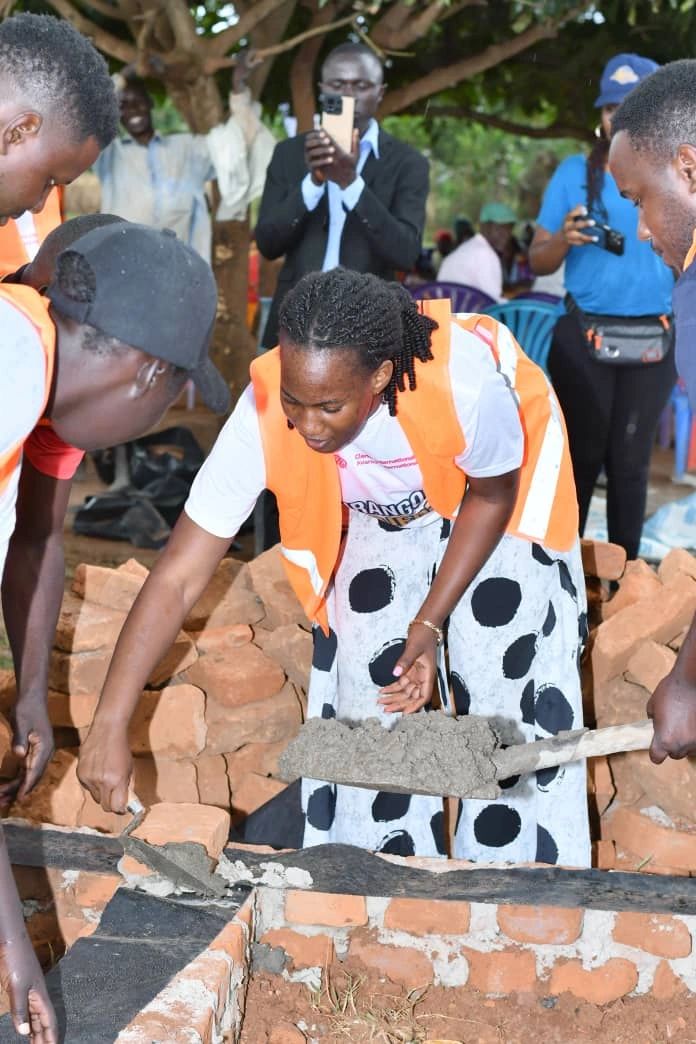
Looking ahead, Sandra shares a bold and hopeful vision:
“Establish a physical Developmental Youth Centre creating a sustainable hub for education, wellness, and empowerment to the community.”
How You Can Support This Act of Peace
Sandra invites others to be part of this growing movement:
“Donate sanitary pads for female pupils either in kind or direct funds.
Donate scholastic materials either in kind or cash.
Support the construction work either cash, labour or materials.
Support content/manual development for kids (cash, knowledge or printing materials).
Recommend potential partners and funders for the program.
Volunteering hours—we seek youth-centered volunteers to support trainings and mentorships.”
The IZIRAGOBI Project shows how community-led action can remove barriers, expand opportunity, and create lasting change. When local solutions are supported and sustained, entire communities can move forward together.
Related Articles